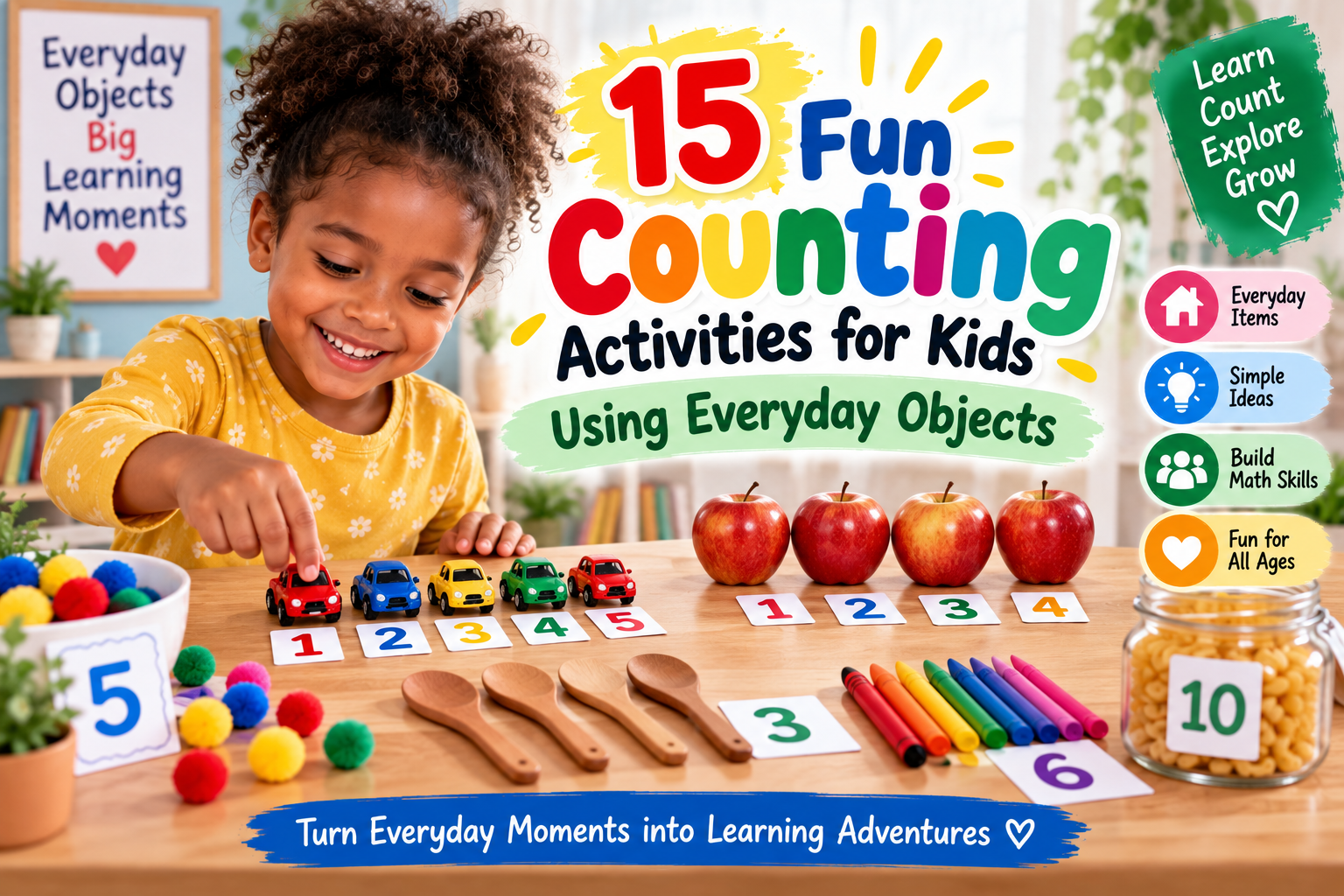
Learning to count doesn’t have to begin with a worksheet.
Look around your home and you’ll probably find dozens of potential counting activities already waiting to happen. Spoons in a kitchen drawer, socks in the laundry basket, toy cars on the floor and apples in a fruit bowl can all become simple opportunities for children to explore numbers.
For young children, counting becomes much more meaningful when numbers are connected to real objects they can see, touch and move. Instead of only reciting “one, two, three, four, five,” children can discover that the number five actually represents five things.
And you don’t need an elaborate lesson plan.
Here are 15 fun counting activities for kids using everyday objects, with plenty of opportunities to turn ordinary moments into playful number practice.
From the bookshelf
Recommended books
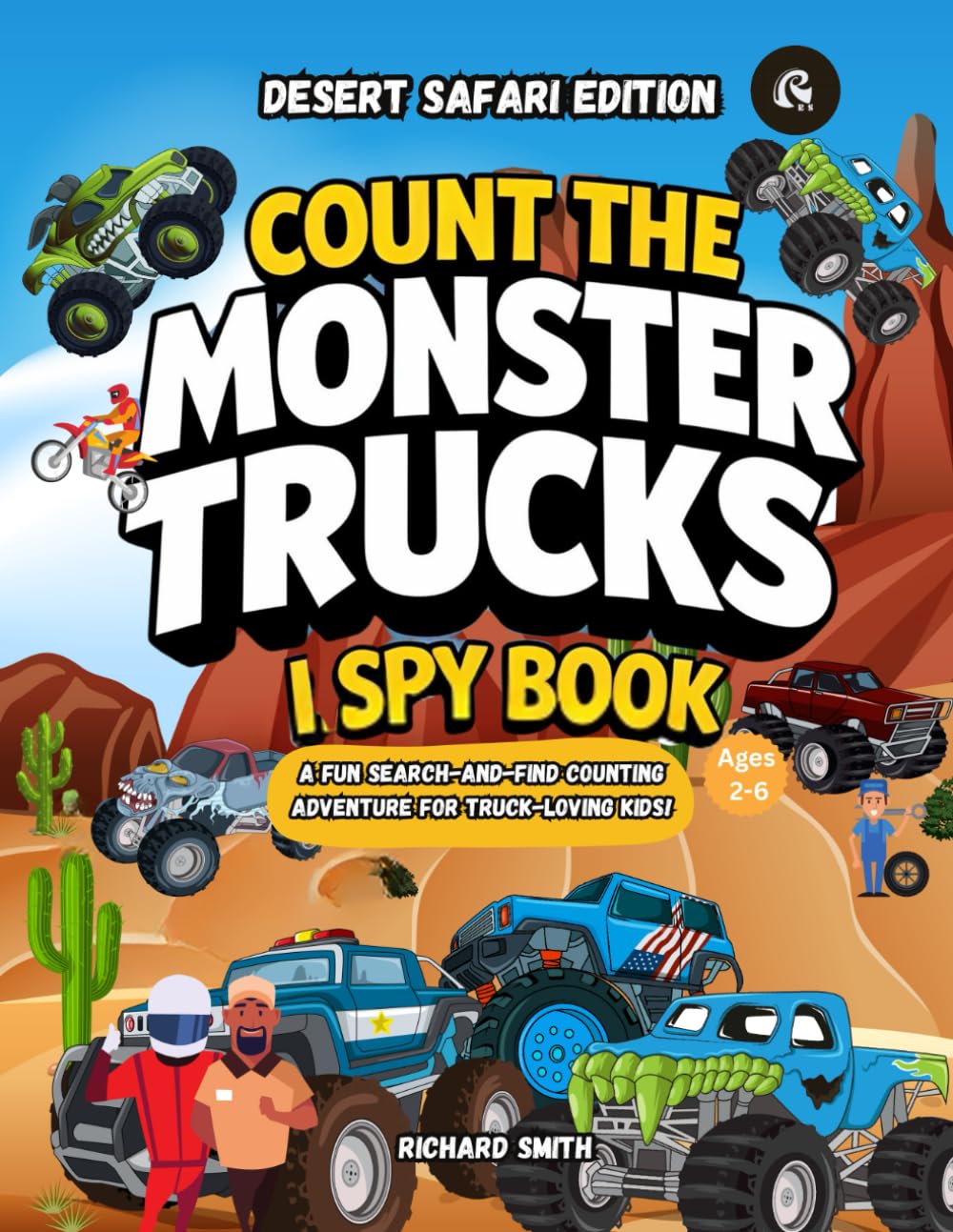
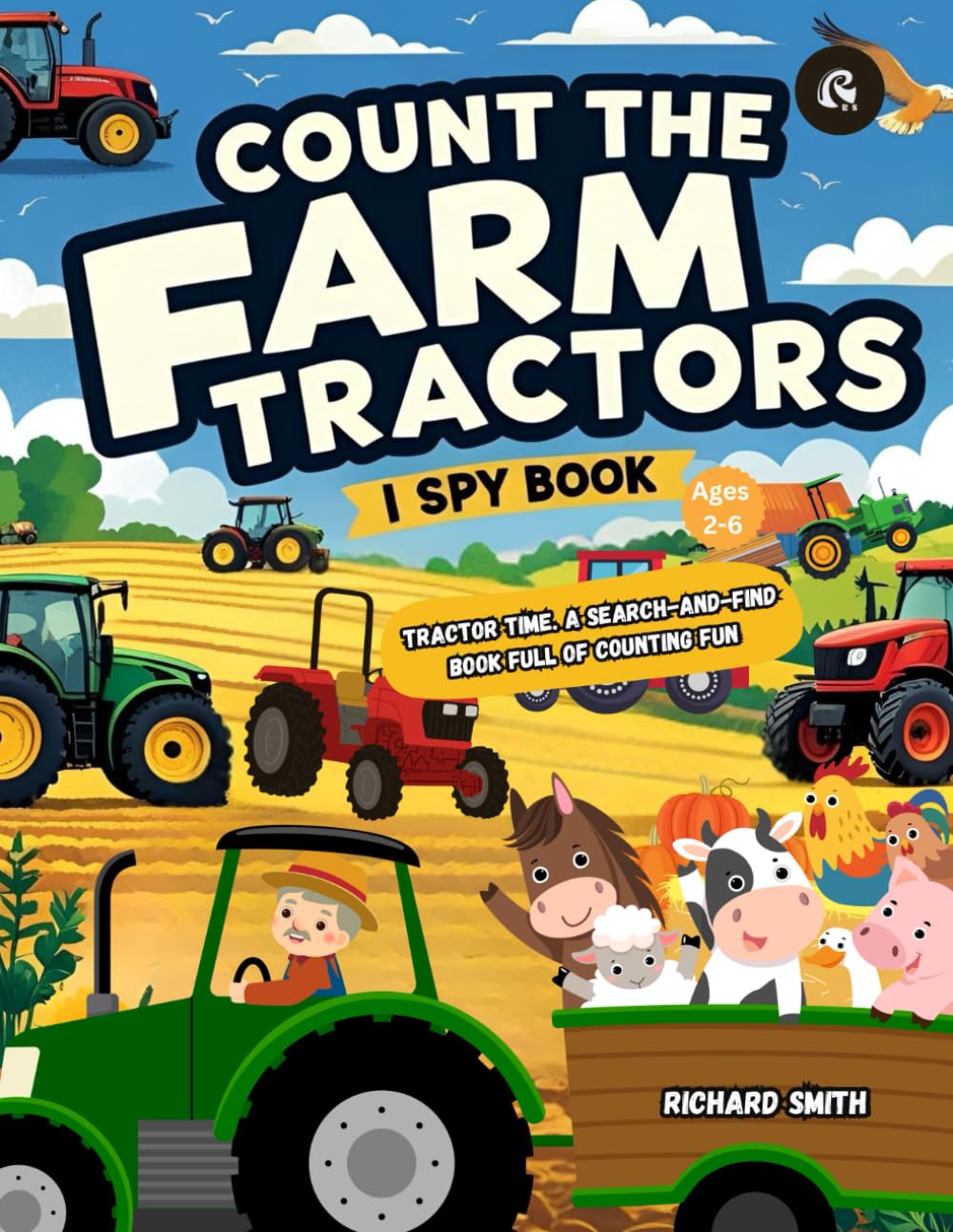
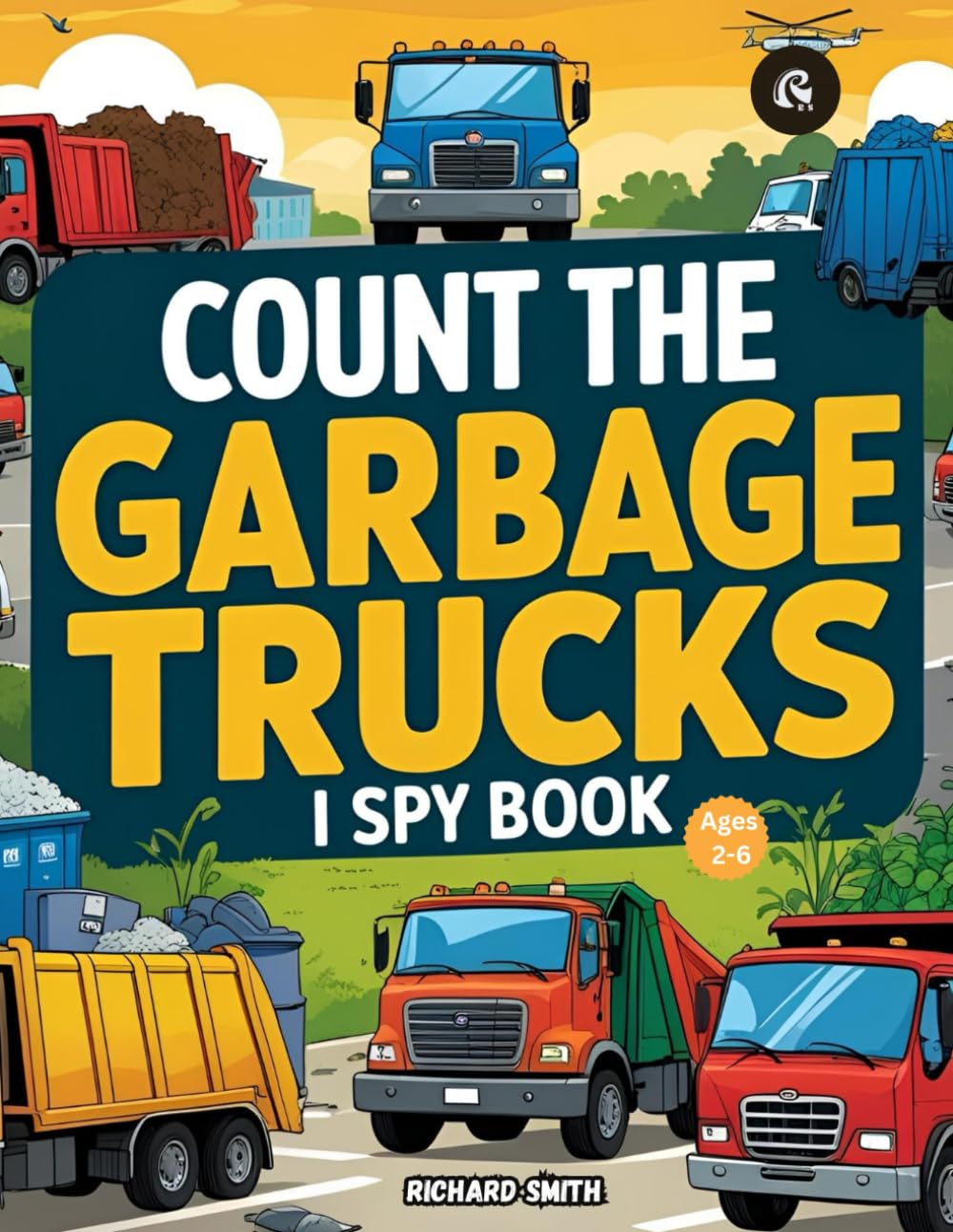
Continue the fun with one of these activity books.
1. Count the Spoons
Open the cutlery drawer and you’ve already found your first counting activity.
Place several spoons on a table and ask your child to touch or move each spoon while counting aloud. Physically moving an object after counting it can make it easier to keep track of which objects have already been counted.
Start with a small number—perhaps three to five spoons—and gradually add more.
Once counting becomes easy, introduce a challenge:
“We need four spoons for dinner. Can you give me exactly four?”
Now the child isn’t simply reciting numbers. They are using counting to solve a small real-life problem.
2. Match Socks and Count the Pairs
Laundry may not be the most exciting household job for adults, but a pile of socks can become a surprisingly useful children’s activity.
Choose several clean socks and ask your child to find the matching pairs. Once the pairs are together, count them.
You can then explore a simple but interesting idea: two different things can be counted in the same collection.
For example, there might be four pairs of socks but eight individual socks.
For younger children, keep things simpler by working with just a few distinctive pairs. Older children can tackle a larger pile and sort them by color or size before counting.
As a bonus, somebody else has started sorting the laundry.
3. Build a Tower With Blocks
Blocks make numbers wonderfully visible.
Ask your child to build a tower containing exactly five blocks. When that’s finished, try seven. Then perhaps ten.
Count each block as it is added rather than waiting until the tower is complete. This connects the spoken number sequence to the growing quantity.
You can also reverse the challenge.
Build a tower yourself and ask:
“How many blocks do you think I used?”
Let your child guess first, then take the tower apart and count the blocks together.
For extra excitement, the final step can always be knocking it down.
4. Count Toy Cars Into a Parking Lot
Toy vehicles are ideal for turning counting into imaginative play.
Use a sheet of paper, cardboard box or masking tape to create a simple parking area. Ask your child to park a specific number of vehicles.
“Can you park three cars?”
“Now we need two trucks.”
“How many vehicles are in the parking lot altogether?”
You can draw numbered parking spaces for children who are beginning to recognize written numerals. A car parked in space 5 gives the child another opportunity to connect the spoken number five with the symbol 5.
Monster trucks, buses, tractors and construction vehicles work just as well.
5. Make an Egg-Carton Counting Game
Before recycling an empty egg carton, turn it into a simple counting tray.
Write a number inside each compartment, then give your child a collection of safe objects such as large craft pom-poms, bottle caps or blocks. The challenge is to place the correct quantity into each numbered section.
If a compartment shows 3, the child places three objects inside.
Start with low numbers and only a few compartments. Once the activity becomes familiar, increase the range.
Safety note: Avoid coins, beads, buttons and other small objects with young children who may put items in their mouths. Choose large, age-appropriate objects and supervise the activity.
6. Count Fruit at Snack Time
Snack time offers a counting opportunity without creating an extra activity to clean up afterward.
Place a small collection of age-appropriate snack pieces or fruit portions on the plate and count them together before eating.
You might ask:
“You have six strawberry pieces. What happens if you eat one?”
After the dramatic disappearance of one strawberry, count again.
This provides a very simple introduction to the idea that quantities change when objects are added or removed. Keep the conversation playful rather than turning every snack into a mathematics lesson.
Sometimes a strawberry should just be allowed to be a strawberry.
7. Count Steps Around the House
Counting doesn’t have to happen while sitting at a table.
Choose two safe points in the house and count how many steps it takes your child to travel between them.
How many steps from the sofa to the door?
From the bedroom to the hallway?
From one end of the rug to the other?
Then compare results. An adult may take six large steps across a room while a child takes ten smaller ones.
That creates a natural conversation about why the numbers are different even though both people travelled across the same space.
For safety, use level walking areas rather than encouraging children to count while rushing up or down stairs.
8. Feed a Hungry Toy
Choose a favorite stuffed animal, dinosaur or toy and announce that it is extremely hungry.
Fortunately, it only eats blocks.
Give your child a request:
“Mr. Dinosaur would like five blocks for lunch.”
The child counts five blocks and places them beside the toy. Next, perhaps the dinosaur wants three.
For children who enjoy imaginative play, the story can make repeated counting far more interesting than simply arranging objects on a table.
You can also deliberately make a mistake.
Give the dinosaur six blocks when it asked for four and see whether your child notices.
Apparently dinosaurs can be very particular about portion sizes.
9. Go on a Number Treasure Hunt
Choose an everyday object that appears several times around a room.
You might hunt for cushions, books, toy animals or shoes.
Give your child a simple mission:
“Can you find five books?”
The child searches the room, brings the objects together and counts them.
Once five books have been found, try another category.
This works particularly well because it combines movement, searching and counting. Children aren’t simply looking at a collection somebody else prepared—they are building the collection themselves.
For a themed version, search only for objects of a particular color: Can you find four blue things?
10. Count Cars Through the Window
A window can become a temporary observation station.
Choose a safe window overlooking a road or parking area and count particular types of vehicles as they pass. Depending on where you live, children might count cars, buses, motorcycles, bicycles or trucks.
Instead of trying to count everything, choose one category.
Today’s mission: Find 10 cars.
Make ten boxes on a piece of paper and add a mark each time a car appears. When every box has a mark, the mission is complete.
This also introduces a useful idea: objects don’t have to remain in front of us to keep a record of how many we’ve seen.
11. Count Toys During Cleanup
Here’s a counting activity with an excellent hidden feature: the room gets tidier.
Instead of simply saying, “Put your toys away,” turn part of the cleanup into a challenge.
“Can you put five blocks into the box?”
Then:
“Let’s find four toy cars.”
Or:
“How many dinosaurs can we put back on the shelf?”
Don’t count every single object in a heavily cluttered room—that can make both the counting and the cleanup feel endless. Choose a few categories and keep the game moving.
When counting becomes part of a real task, children see numbers being used for a purpose.
12. Make a Cup-and-Object Counting Game
Take several plastic or paper cups and label them with numbers. Give your child a collection of safe objects large enough for their age.
If one cup says 2, two objects go inside. A cup marked 5 receives five.
Once all the cups are filled, check them together.
You can also play the activity backwards. Put different quantities into unnumbered cups and ask your child to count the objects before choosing the correct number card for each cup.
This small change makes the child solve the problem from the opposite direction.
13. Count Nature Finds
Take counting outside.
Leaves, flowers, sticks, stones and other safe natural objects can create an easy outdoor number activity. Rather than collecting large amounts of material, give your child small missions such as finding three leaves or five sticks.
Then compare the collections.
Which has more?
Which has fewer?
Do any have the same number?
You can also arrange the objects into shapes or patterns after counting them.
Be mindful of local rules and avoid collecting unknown plants, fungi, sharp objects or anything potentially hazardous. In places where natural materials shouldn’t be removed, simply point to and count what you see.
14. Count Garbage Trucks, Buses and Other Favorite Vehicles
Children are often much more willing to practice a skill when the activity involves something they already love.
For a vehicle enthusiast, try counting different vehicles during a walk or journey. Garbage trucks can be particularly exciting because they combine large vehicles, movement and plenty of interesting mechanical action.
Set a small challenge:
How many garbage trucks can we spot?
If garbage trucks aren’t around, switch to buses, motorcycles, delivery vans or construction vehicles.
At home, recreate the activity using toy vehicles or pictures. Line up five garbage trucks and count them from left to right, then rearrange the same five trucks and count again.
The arrangement has changed, but there are still five.
That is a simple concept with an important idea hiding inside it: moving objects around doesn’t automatically change how many there are.
This theme also connects naturally with Count the Garbage Trucks, one of the counting activities in the growing Little Fun Lab book collection.
15. Create a Counting Challenge Jar
Once your child understands several of these games, create a reusable Counting Challenge Jar.
Write simple challenges on strips of paper and place them in a container. A child chooses one at random whenever you want a quick number activity.
Challenges might include:
Find 4 crayons.
Build a tower with 7 blocks.
Bring me 3 toy animals.
Count 6 books.
Park 5 cars.
Find 2 red objects.
Keep the numbers appropriate for your child’s current ability and update the challenges as counting improves.
The surprise element means the child doesn’t know whether today’s mission will involve crayons, dinosaurs or an emergency parking problem involving six monster trucks.
Make Sure Children Are Counting Objects, Not Just Saying Numbers
A child may be able to recite “one, two, three, four, five…” without yet fully understanding what those numbers represent.
That’s one reason counting real objects is so useful.
Encourage children to touch, point to or move each object once as they say its number. This helps connect one spoken number to one item.
For example, when counting five toy cars, touch the first car while saying “one,” the second while saying “two,” and continue until every car has been counted once.
Then ask:
“So, how many cars are there?”
The final number tells us the total quantity.
You don’t need to explain the mathematical terminology behind this to a young child. Repeated experience with real collections can make the idea increasingly familiar.
Start Small and Build Up
More objects don’t automatically make a better counting activity.
If a child is just beginning, collections of three, four or five objects may provide plenty of practice. Once those quantities become comfortable, gradually introduce larger groups.
Watch the child rather than focusing only on an age recommendation.
If they confidently count eight toy cars, try nine or ten. If five objects are still challenging, stay there for a while and change the objects instead of immediately increasing the number.
Today it can be five dinosaurs.
Tomorrow, five spoons.
Then five blocks.
The number stays familiar while the activity feels different.
Ask More Than “How Many?”
Once children become comfortable counting a collection, you can extend the activity with simple questions.
Place five toy cars beside three trucks and ask which group has more. Remove one block from a tower and ask what changed. Divide six crayons into two small groups and count each one.
Everyday language works perfectly well:
Which has more? Which has fewer? Are they the same? What happens if we add one? What happens if we take one away?
You aren’t trying to rush children into formal arithmetic. You’re showing them that numbers can describe and compare the world around them.
Let Your Child Be the Teacher
One of the easiest ways to change a familiar counting game is to swap roles.
Ask your child to give you a challenge.
Perhaps they tell you to collect six crayons. Count them carefully—and occasionally make an obvious mistake.
Put down five.
Wait.
If your child notices, they now have to explain what went wrong.
You may be surprised by how much enthusiasm children develop for counting when the adult suddenly becomes suspiciously bad at it.
Counting Can Happen Almost Anywhere
One of the best things about early counting is that you don’t need special equipment.
There are numbers hiding throughout an ordinary day: shoes by the door, plates at dinner, toys on the floor, bananas in the kitchen and vehicles outside.
The trick isn’t to turn every moment into a lesson. That would become exhausting very quickly.
Instead, notice occasional opportunities to play with numbers naturally.
Count four spoons while setting the table. Build a seven-block tower after lunch. Search for five red objects on a rainy afternoon. Count garbage trucks during a journey.
A few minutes is enough.
From Saying Numbers to Understanding Them
Learning the counting sequence is exciting, but the bigger adventure begins when children realise that numbers describe actual quantities.
Five isn’t only a word that comes after four.
It can mean five blocks in a tower, five strawberries on a plate, five cars in a parking lot or five enormous garbage trucks rumbling down the road.
Everyday counting activities help make that connection visible.
So before buying special counting equipment, take another look around your home.
Your next number game may already be sitting in the cutlery drawer.
Keep the Counting Adventure Going
Once children become comfortable counting real objects, you can gradually introduce activities that combine counting, number recognition, matching, searching and pictures.
That might mean counting objects on an activity page, matching quantities to written numbers or hunting through a busy scene to discover how many dinosaurs, animals or vehicles are hiding inside.
At Little Fun Lab, that’s exactly the kind of learning we love: familiar skills wrapped inside activities that feel much more like play.
Because sometimes all it takes to make 1, 2, 3 exciting is adding a few monster trucks.